
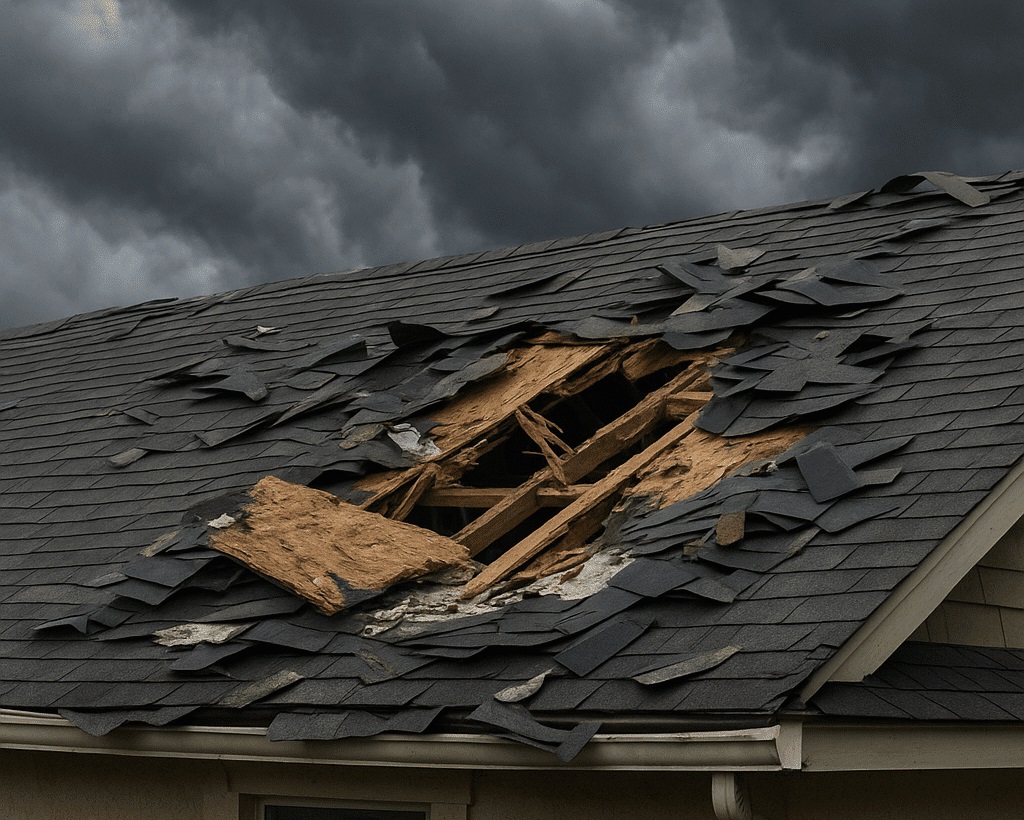
When homeowners think about storm damage, many picture dramatic events like hailstorms or hurricanes. Those storms cause immediate and visible destruction. In the Pacific Northwest, the reality is different. In places like Lake Stevens, storms are defined less by violent impact and more by persistence. Long periods of rainfall, steady wind, and constant moisture exposure create a unique pattern of roof deterioration that often goes unnoticed until damage becomes serious. Understanding how these conditions affect roofs explains why emergency roof repair and storm damage roof repair look different in this region.
The Pacific Northwest Storm Profile
Unlike short, severe storms that hit once and move on, Pacific Northwest storms often linger. In Lake Stevens, it is common to experience days or even weeks of steady rain accompanied by wind. Neighborhoods near Frontier Village, Cavalero Hill, and Lake Stevens Community Park all experience similar weather patterns that slowly stress roofing systems.
This prolonged exposure means roofs are rarely given time to dry fully. Even high quality roofing materials can struggle under constant saturation, especially if the roof is older or has minor installation flaws.
Prolonged Rain Versus Hail or Hurricanes
Hailstorms and hurricanes damage roofs through force. Shingles crack, tiles break, and debris impact is obvious. Homeowners can usually identify the damage immediately and seek repairs.
In contrast, prolonged rain damages roofs through infiltration and saturation. Water works its way under shingles, around flashing, and into small gaps. Over time, moisture penetrates underlayment and roof decking. The damage is subtle and progressive.
In Lake Stevens, roofs near North Cove Park or along residential streets with heavy tree cover often face additional challenges. Wet leaves and debris hold moisture against shingles, accelerating deterioration. By the time leaks appear indoors, extensive storm damage roof repair may already be needed.
Wind Driven Moisture Intrusion
Wind plays a critical role in Pacific Northwest roof damage. Even moderate winds can push rain upward and sideways, forcing water into places it normally would not go.
Flashing around chimneys, vents, and skylights is especially vulnerable. Wind driven rain can bypass protective layers and enter the roofing system. Over time, repeated exposure loosens fasteners and weakens seals.
This is one of the most common reasons homeowners in Lake Stevens require emergency roof repair. What begins as minor moisture intrusion can quickly escalate during a particularly wet and windy period, especially in elevated areas near Cavalero Hill where wind exposure is greater.
Saturation Damage Over Time
Saturation is one of the most damaging forces affecting roofs in the Pacific Northwest. Roofing materials are designed to shed water, not absorb it continuously.
As moisture builds up, roof decking can swell and lose structural integrity. Nails and fasteners may loosen as wood expands and contracts. Insulation beneath the roof can become damp, reducing energy efficiency and increasing indoor humidity.
Saturation damage also creates ideal conditions for mold and mildew growth. In Lake Stevens homes, this often shows up first in attics before becoming visible in living spaces. By the time homeowners notice musty odors or staining, storm damage roof repair often requires more than surface fixes.
Why Damage Is Often Hidden
One of the most challenging aspects of Pacific Northwest roof damage is how invisible it can be. Shingles may appear intact while water is slowly penetrating beneath them.
In areas like Lake Stevens High School neighborhoods or residential zones near local parks, roofs frequently look fine from the ground. However, moisture may be spreading across decking or insulation out of sight.
The Role of Roof Age and Installation Quality
Pacific Northwest storms do not discriminate between new and old roofs, but aging systems are more vulnerable. Older roofs often lack modern underlayment and flashing techniques designed to handle prolonged moisture exposure.
Improper installation also plays a role. Poorly sealed penetrations, incorrect shingle overlap, or inadequate ventilation can all accelerate storm damage. In Lake Stevens, where roofs face consistent rainfall, these weaknesses are exposed quickly.
Professional storm damage roof repair often includes correcting these underlying issues rather than simply replacing damaged shingles.
How Pacific Northwest Storm Damage Leads to Emergencies
Because damage develops gradually, many homeowners delay action. Small leaks are patched, or stains are ignored until water intrusion worsens.
During particularly heavy rain events, these weakened areas can fail suddenly. Active leaks, ceiling damage, and insulation saturation often trigger emergency roof repair calls in Lake Stevens.
Emergency repairs focus on stopping water intrusion immediately, but they also serve as a diagnostic moment. Contractors frequently discover that prolonged storm exposure has affected a larger area of the roof than initially expected.
Why Local Experience Matters
Roofing professionals familiar with Lake Stevens understand how regional weather patterns affect homes differently than hail prone or hurricane prone areas. Local expertise ensures inspections consider saturation, ventilation, and moisture pathways rather than just surface damage.
This experience is a key component of trustworthy storm damage roof repair. It reflects real world knowledge gained from working on homes throughout Lake Stevens neighborhoods rather than generic storm damage assumptions.
Protecting Your Roof From Ongoing Storm Exposure
While storms cannot be controlled, proactive steps can reduce damage. Regular inspections, especially after long rainy seasons, help identify vulnerabilities early. Keeping gutters clear ensures water flows away from the roof instead of backing up under shingles.
Homes near wooded areas or parks benefit from debris removal and routine roof checks. Addressing small issues promptly reduces the likelihood of needing emergency roof repair later.
When to Call for Professional Help
If you notice water stains, damp insulation, musty attic odors, or recurring leaks, it is time to seek professional evaluation. These are common signs of prolonged storm damage that should not be ignored.
Reliable storm damage roof repair addresses both visible issues and hidden moisture problems. Early intervention protects the structure of your home and limits long term repair costs.
Get Trusted Help for Storm Damage in Lake Stevens
Pacific Northwest storms create a unique set of roofing challenges that require specialized knowledge and experience. If your home has endured weeks of rain and wind, do not wait for damage to become obvious.
Professional emergency roof repair and storm damage roof repair services can assess your roof’s condition, stop active leaks, and help you plan durable solutions that match Lake Stevens weather conditions. Contact a local roofing expert today to protect your home from ongoing storm related damage and maintain long term roof performance.