
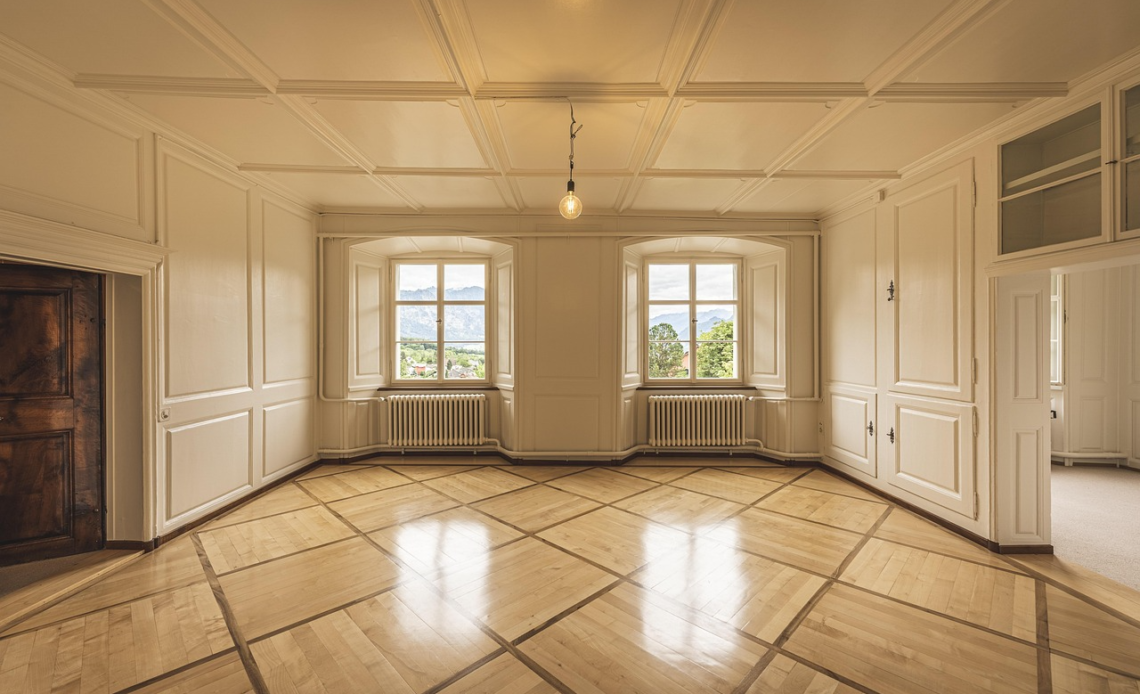
End-of-Lease Clean Guide for Tenants in Melbourne
End of lease cleaning is typically done at the very last minute. By then, moving companies have been booked, boxes packed, keys handed over, and forms signed. But the property’s cleanliness might actually impact the tenant’s ability to get their bond back. Therefore, it’s best to leave some time for a proper end-of-lease clean. You’ll find it less stressful if you have a schedule and clean room by room.
What’s the Difference Between End-of-Lease Cleaning and Regular Cleaning?
Routine household cleaning is done to maintain a comfortable living environment. End-of-lease cleaning aims to prepare a property for new tenants. It requires cleaning the space to the standard of the original condition report (excluding reasonable wear and tear).
Since properties are rarely cleaned this deeply, there are certain spots you should check that you may not have thought about cleaning. This includes inside the cupboards, on window frames, along skirting boards, above ceiling lights, under exhaust fans, and behind washing machines. An end-of-lease clean isn’t just about making your rooms look nice; it’s about getting rid of any dust, grime, stains, and residue that have built up on the property.
Review the tenancy agreement and the property condition report before cleaning. They will list any damages and point out what should be addressed as part of the clean.
Create a Clean-Out Schedule
Cleaning a house or apartment from scratch without a plan is inefficient and can result in double-handling some items. First, make a list of all the rooms you’ll be cleaning and divide them into different phases. Generally, cleaning top to bottom is the most effective method since gravity will bring dust down (you can see this for yourself at science.nasa.gov/universe) to the floor.
The following order works well:
- Throw away trash and pack personal possessions.
- Vacuum or sweep floors.
- Dust ceiling corners, air vents, and light fixtures.
- Wipe down walls, doors, and furniture.
- Clean kitchens and bathrooms.
- After the surfaces are dry, take a closer look and clean again if needed.
Be prepared to spend more time than you think on some tasks. A dirty oven, greasy stovetop, soap-stained tiles, or sticky window frames might require multiple passes before they’re properly clean.
Deep Clean the Most Used Spaces
The kitchen and bathroom will probably be the messiest areas, which means they’ll require the most attention. For the kitchen, you’ll want to get rid of grease and food residue from the oven, oven racks, cooktop, range hood, wall, sink, and cabinets. Clean out the corners where crumbs and dirt hide, such as between the cabinet hinges, drawer handles, fridge, dishwasher, or microwave.
In the bathroom, soap scum needs to be scrubbed off glass screens and tiled walls. Mirrors must be polished to avoid streaking. The toilet should be thoroughly sanitized (find out this here). Visible stains around taps and drains should be removed. Dust accumulates on ventilation fans and should be cleared.
When a tenant doesn’t have time to do an end-of-lease clean, or if the property is too big to tackle alone, hiring professional Bond Cleaning Melbourne services may be necessary. Before you schedule a cleaner, find out what they’re going to do. Don’t assume everything is part of the service.
Don’t forget the hidden spots
Many areas don’t attract immediate attention, such as inside the cabinets, the tops of doors, the base of skirting boards and the floor. The glass might look clean, but it’s only when the sun shines through that the streaks show. And while you’ve cleaned the window frames, they may still have dirt in the tracks. Other items to consider are:
- Smudges on light switches and door handles
- Blinds, window sills and ceiling fans
- Cobwebs and spider webs
- Wall marks that can be easily cleaned
- Under the furniture and appliances
- Hair or fluff around the perimeter of carpets
- Inside the wardrobes and drawers
If you have access to outside areas like a patio or garden, you’ll probably need to sweep them, remove the rubbish and tidy up. As long as the job doesn’t go against your lease agreement and the condition of the house when you moved in, you’re safe.
Should you DIY or hire help?
It’s possible to clean the house yourself, which will save money. This may be easier if you have a smaller property and you don’t have to deal with a lot of stains and wear and tear. You’ll have full control over the job. But you may spend more time than you expect to finish the job, and you may need to buy products and equipment.
A professional cleaning service can cut down on the work for you, but they aren’t always going to do everything. Some companies may charge extra for the carpets, exterior windows, the walls and the appliances. Make sure you understand exactly what they’re going to clean, and tell them about any particular concerns.
No matter how you clean the place, leave plenty of time to check everything afterwards. If you’re in a rush, there’s no chance to fix anything you missed.
Review your house before handing back the keys
After the cleaning is done, go through the house and compare it to the initial condition report. Turn on all the lights, and take pictures of the rooms, including the floors, appliances, fixtures and areas you’ve cleaned. These photos can be used to show the condition of the place when you move out.
Open the cabinets, look behind doors, and examine the surfaces from different angles. Make sure to clear out the rubbish and cleaning products. If something is broken instead of dirty, don’t try to hide it with some touch-up paint; admit you broke it.
Leave the house in good shape
A good end-of-lease cleaning involves planning rather than just rushing through the job at the last minute. Begin early, use a comprehensive checklist, and pay special attention to the parts of the house that standard cleaning overlooks. Whether you do it yourself or pay for professional help, doing a thorough final check can ease the stress of moving out and prevent conflicts.