
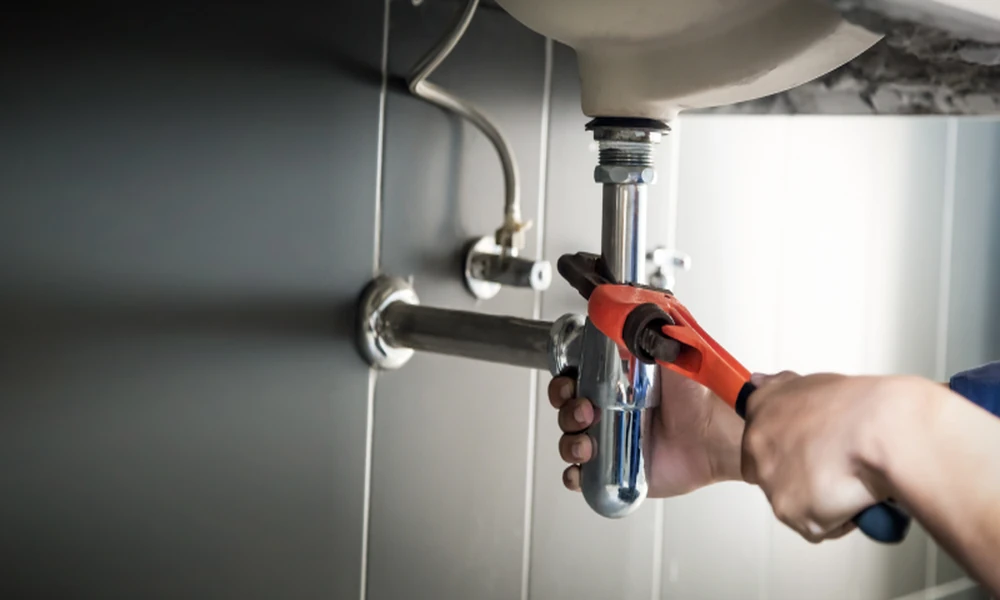
Aging pipes can mean constant leaks or a full system overhaul. Learn when a simple repair saves the day and when repiping delivers lasting peace of mind. Get clear signs, practical tips, and expert guidance so you choose the smartest path for your home’s plumbing future.
When your home’s plumbing starts showing its age, the decision between a quick repair and full repiping can feel overwhelming. Frequent drips, rusty water, or drops in pressure often signal that the system needs attention. Homeowners searching for reliable plumbing help on Bainbridge Island, WA face this exact choice every day. Understanding the difference protects your budget, prevents bigger damage, and keeps water flowing safely for years. This guide breaks down the signs, costs, and long-term benefits so you can decide with confidence.
Recognizing the Warning Signs of Aging Plumbing
Old pipes rarely fail without giving notice. Galvanized steel or polybutylene lines common in older homes corrode over decades. You might notice water that looks brown or tastes metallic. Pressure can drop in one fixture or across the whole house. Leaks appear more often, sometimes behind walls or under floors where they stay hidden until damage spreads.
A single leak in an otherwise solid system often calls for targeted repair. But when several spots fail within a short time, the entire network may be wearing out. Low flow that improves after a local fix only to return elsewhere points to widespread buildup or thinning walls. Paying attention to these patterns helps you act before a small issue turns into flooding.
When a Repair Makes Sense
Repairs work best for isolated problems. A cracked section of pipe, a failed joint, or a fixture connection can usually be fixed without touching the rest of the system. Licensed technicians locate the exact spot, replace the damaged portion, and test for leaks. This approach costs less up front and restores service quickly.
Consider repair when:
- – The rest of the pipes still look solid during inspection
- – Water quality remains clear and pressure stays consistent
- – The home is relatively new or has already been partially updated
A good repair includes checking nearby sections so the same weakness does not reappear soon. Professional assessment prevents the common mistake of patching one spot while ignoring others that are close to failing.
When Repiping Becomes the Smarter Long-Term Choice
Repiping replaces the main water lines throughout the home with modern materials such as PEX or copper. These pipes resist corrosion, deliver steady pressure, and last far longer than outdated materials. The project makes sense when repairs keep stacking up or when pipes have passed the typical 30-to-50-year service life.
Homes that experience recurring leaks, chronic low pressure, or discolored water often benefit most. Repiping also raises the value of the property and reduces the risk of sudden water damage. While the initial investment is higher, many owners find the savings in avoided emergency calls and lower water bills make it worthwhile over time. Work usually finishes in a few days, with crews staging the job so water service returns each evening.
Key Factors That Guide the Decision
Start with a professional inspection. Cameras and pressure tests reveal the true condition of hidden lines. Age of the home, material of the existing pipes, and frequency of past repairs all matter. Budget plays a role too, yet focusing only on the lowest price can lead to repeated costs later.
Local climate and water quality also influence wear. Hard water or seasonal temperature swings accelerate corrosion in certain materials. An experienced plumber factors these elements into the recommendation and explains options clearly. Honest evaluation means you receive repair when it is enough and repiping when it truly serves the long view.
Actionable Tips for Homeowners Facing the Choice
Keep a simple log of every leak, pressure drop, or water quality change. Patterns become obvious over months. Schedule an annual plumbing checkup so small problems get caught early. Ask the technician to photograph problem areas and share findings in plain language.
When comparing quotes, look for clear descriptions of materials, labor, and warranties rather than the lowest number alone. Confirm that the company handles both repairs and full repiping so the advice stays balanced. For residents needing plumbing help on Bainbridge Island, WA, choosing a team familiar with local homes and codes adds an extra layer of reliability.
FAQs
How can I tell if my pipes are too old for simple repairs?
Frequent leaks in different locations, rusty water, or pressure that never fully recovers after fixes usually mean the system has reached the end of reliable service.
Does repiping always require tearing open walls?
Modern techniques often limit openings to key access points. Crews restore drywall and surfaces once the new lines are in place and tested.
Will new pipes improve my water pressure right away?
Yes. Fresh lines free of corrosion and scale restore designed flow rates and often eliminate the need for pressure-boosting devices.
How long should a quality repipe last?
Copper and PEX systems commonly provide 50 years or more of trouble-free service when installed correctly.
Can I repair some sections and repipe others?
Partial updates work in certain cases, yet a complete plan often delivers more consistent performance and easier future maintenance.
Bringing It All Together
Aging plumbing does not have to mean constant worry or surprise water damage. A careful look at the signs, an honest evaluation of repair versus full replacement, and guidance from experienced professionals put you in control. Whether a targeted fix restores confidence or a complete repipe secures decades of reliable service, the right choice protects your home and your peace of mind. Residents seeking trusted plumbing help on Bainbridge Island, WA can move forward knowing the decision rests on clear facts rather than guesswork. Take the next step with a thorough inspection and choose the path that keeps water flowing safely for years to come.