
A toilet that drains a little slower than usual may not seem like a serious household problem. It can be tempting to flush again, use a plunger, and forget about it once the water disappears. However, minor toilet clogs can sometimes be early warnings of developing drainage problems. Ignoring these signs may eventually lead to overflowing water, damaged flooring, unpleasant odors, or problems elsewhere in the plumbing system.
Taking action while a blockage is still manageable can protect the bathroom and reduce the possibility of an inconvenient plumbing emergency. Understanding what causes clogs and recognizing changes in toilet performance are important parts of responsible home maintenance.
Pay Attention To Changes In Flushing
Toilets generally provide noticeable clues when waste is no longer moving freely through the drain. Water may rise unusually high after flushing, remain in the bowl longer than expected, or drain slowly before returning to its normal level.
An occasional slow flush may have a simple explanation, but repeated changes deserve attention. Continuing to flush a struggling toilet can push additional waste into an already restricted drain. Eventually, the toilet may become completely blocked.
Homeowners should also listen for unusual bubbling or gurgling noises. These sounds can indicate that air is having difficulty moving through the drainage system. Recognizing these subtle changes gives homeowners an opportunity to investigate before the problem becomes disruptive.
Avoid Treating Every Clog The Same Way
Not every toilet blockage has the same cause. Excess toilet paper can create a temporary obstruction, while non-flushable products may become lodged deeper in the drain. In other situations, recurring clogs can be associated with problems farther along the plumbing system.
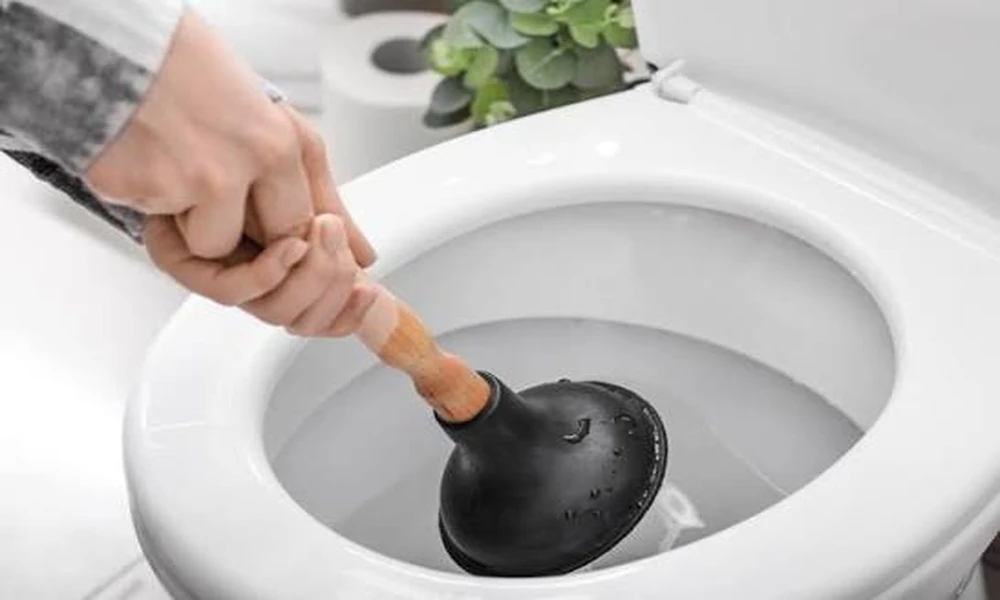
A plunger can be useful for straightforward blockages located near the toilet. However, repeatedly plunging a toilet that continues to clog may only provide temporary relief. When the same problem returns frequently, contacting a clogged toilet plumber Houston homeowners can rely on may help identify whether the blockage extends beyond the fixture itself. Finding the actual cause is more effective than repeatedly addressing the visible symptom.
Be Careful About What Goes Down The Toilet
Prevention often begins with everyday bathroom habits. Toilets are designed primarily to handle human waste and toilet paper. Many other products can create drainage problems even when their packaging or appearance makes them seem harmless.
Paper towels, facial tissues, cotton products, personal care items, wipes, and other household materials may not break apart as quickly as toilet paper. Once inside the drainage system, these materials can collect and restrict water flow.
Families with young children may also experience accidental clogs caused by toys or small objects entering the toilet. Keeping unnecessary items away from the fixture and teaching everyone in the household what should not be flushed can significantly reduce avoidable blockages.
Respond Quickly To An Overflowing Bowl
When toilet water begins rising toward the rim, quick action can limit damage. Avoid flushing the toilet again because additional water can cause the bowl to overflow.
If possible, stop the toilet’s water supply using the shutoff valve located nearby. Towels or other absorbent materials can help contain small amounts of water while the blockage is being addressed.
Overflowing toilet water should never be treated as a minor inconvenience. Water can reach flooring, baseboards, cabinetry, and nearby rooms. Depending on what is contained in the water, thorough cleaning may also be necessary. Calling a clogged toilet plumber Houston residents can turn to promptly may prevent a difficult blockage from developing into a more extensive household cleanup.
Watch For Problems With Other Drains
A clogged toilet becomes more concerning when other plumbing fixtures begin behaving strangely at the same time. For example, a nearby shower may drain slowly, a sink may make unusual noises, or another toilet may experience flushing difficulties.
Multiple affected fixtures can suggest that the problem is not limited to one toilet. A restriction farther inside the drainage system may interfere with wastewater leaving several parts of the home.
Homeowners should avoid assuming that every affected fixture has developed an independent clog. Observing the plumbing system as a whole can facilitate the identification of patterns and the pursuit of appropriate professional assistance.
Avoid Excessive Use Of Improvised Solutions
Homeowners sometimes experiment with different household products when plunging does not solve a blockage. Aggressive methods can create additional problems if they damage seals, pipes, or toilet components.
Professional plumbers have tools designed to investigate and remove difficult obstructions without relying on guesswork. The appropriate solution depends on where the clog is located and what caused it.
Seeking help before attempting increasingly forceful methods can protect plumbing components and make repairs more straightforward.
Make Toilet Maintenance Part Of Home Care
Preventing plumbing emergencies does not require waiting for something to fail. Paying attention to flushing performance, addressing recurring problems, and using toilets correctly can reduce unnecessary stress and expense.
If a toilet repeatedly backs up despite basic efforts to clear it, a clogged toilet plumber Houston homeowners contact can evaluate the underlying drainage issue before it causes more significant disruption. Early attention is especially valuable when unusual toilet behavior appears alongside problems with other drains.
A minor clog may seem easy to postpone, but plumbing problems can become more complicated as restrictions grow. Responding to warning signs, maintaining sensible flushing habits, and seeking professional assistance when necessary can help keep a small toilet problem from turning into an expensive plumbing emergency.