
Key Takeaways
- Submit a formal renovation application to your Management Office before any work begins to avoid stop-work orders or fines.
- Adhere strictly to permitted working hours, typically weekdays between 9 am and 5 pm, to prevent noise complaints from neighbours.
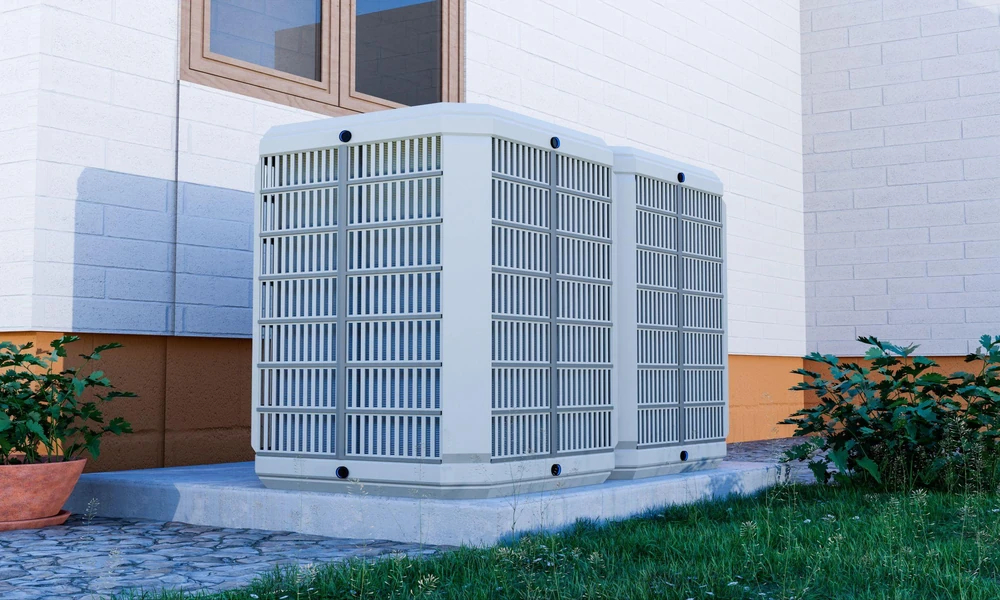
- Ensure the outdoor compressor unit is placed within the designated ledge to maintain the building’s aesthetic uniformity.
- Check for development-specific requirements regarding drainage pipe routing or insulation thickness to prevent future leaks.
Introduction
Living in a condominium in Singapore offers fantastic amenities, but it also comes with a layer of management known as the Management Corporation Strata Title (MCST). When it becomes time to replace your cooling system, you cannot simply call a contractor and start drilling. Unlike HDB flats, where rules are standardised across the island, every condo development has its own set of by-laws. These rules are designed to maintain the building’s structural integrity and aesthetic uniformity. Failing to follow them can lead to hefty fines or even a legal demand to remove the installation.
The confusion usually starts with the paperwork. You might wonder why you need approval simply to replace an existing unit. The reality is that condo aircon installation involves construction work, equipment transportation, and modifications that may affect common property. Management offices require proper documentation to ensure contractors are qualified, insured, and able to complete the work safely. While the process may seem strict, these requirements ultimately protect both residents and the building.
What Are the MCST Rules for Condo Aircon Installation?
Every condominium has its own house rules, so the first step is to understand your development’s renovation requirements. Most MCSTs require homeowners to submit a renovation application before installation begins. This often includes the contractor’s licence details, public liability insurance, proposed work schedule, and, in some developments, a refundable security deposit to cover any accidental damage to common areas.
When reviewing MCST rules for condo aircon installation, pay particular attention to the permitted working hours and renovation conditions. Many condominiums only allow noisy work during weekday office hours and prohibit installations on weekends or public holidays. Following these requirements helps avoid complaints from neighbours, delays caused by security personnel, and unnecessary penalties from the management office.
How Do You Prepare for Condo Aircon Installation?
Preparation goes beyond submitting paperwork. Before installation day, ensure technicians have easy access to your unit by clearing the work area and removing valuable items near the installation points. If furniture cannot be moved, cover it with protective sheets to minimise dust created during drilling.
You should also coordinate with your Management Office regarding lift bookings, loading bay access, and contractor registration procedures. Many condominiums require installers to sign in, obtain visitor passes, or reserve service lifts before bringing heavy compressors into the building. Completing these arrangements beforehand helps the installation proceed efficiently without unnecessary interruptions.
Where Should the Aircon Compressor and Piping Be Installed?
Most condominium developments have designated aircon ledges for outdoor condenser units, and these locations must be used unless otherwise approved by the MCST. Installing the compressor anywhere else may breach the development’s by-laws and affect the building’s external appearance. Some developments also specify the colour of visible trunking or require certain finishes to maintain a consistent façade.
Drainage piping is equally important. Condensation should flow into approved drainage outlets rather than drip onto balconies or neighbouring units below. Properly planned piping reduces the risk of water damage, prevents complaints from residents, and helps ensure the system operates efficiently over the long term.
How Do You Choose the Right Contractor for Condo Aircon Installation?
Choosing an experienced contractor can make navigating MCST requirements much easier. Contractors who regularly work in condominiums are familiar with renovation permits, security procedures, lift protection requirements, and building-specific regulations. Their experience helps minimise delays while ensuring the installation complies with management guidelines.
Quality workmanship is equally important. Professional installers use suitable insulation materials, properly secure piping, and ensure drainage systems function correctly. These details help prevent future condensation problems, water leaks, and unnecessary maintenance costs. Asking whether the contractor has previously completed projects in your condominium can also provide additional peace of mind.
Final Words
While MCST regulations might initially seem complicated, they are designed to protect both residents and the building itself. Understanding the approval process, preparing your home properly, and working with an experienced contractor can make the installation process straightforward and stress-free. By following your condominium’s requirements from the start, you can enjoy reliable cooling without worrying about penalties or compliance issues.
If you need help with a professional and compliant condo aircon installation, get in touch with Newway Air Conditioning today to speak with experts who understand Singapore’s condominium requirements.