
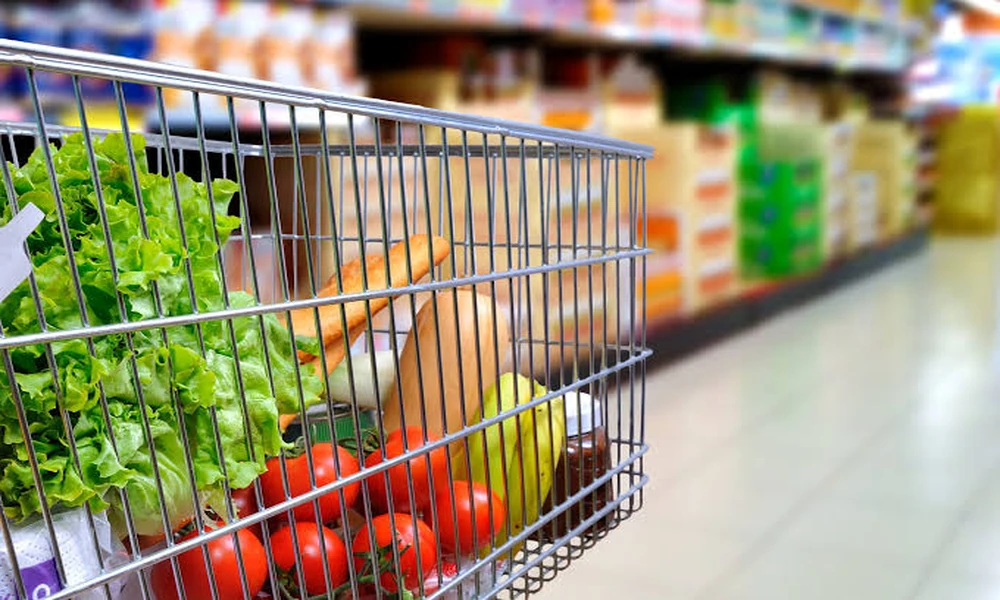
Build the grocery list around a dinner you know you will make, then preserve reasonable flexibility for the rest of the week. A changing schedule does not need to become a fixed meal-preparation commitment. Buy identifiable foods with clear uses, distinguish uncooked storage from cooked leftovers and revise the plan when new information arrives.
Household calendars often look more settled while shopping than they do a day later. Someone works late, an invitation appears or an evening activity changes. A useful list acknowledges that possibility without abandoning planning altogether. The near-term meal can be specific even when tomorrow’s dinner is still uncertain.
Buy for the meals you can actually name
Begin with the next dinner at home. Name its main component and accompaniment in ordinary words. “Potato-and-cheddar pierogies with a vegetable side” is a recognizable plan. “A selection of convenient things for the week” leaves several decisions unfinished and can justify more purchases than the household has a clear use for.
Choose the filling deliberately. Oh! So Cheesy contains potato and cheddar in a full-size vegetarian pierogi. If that combination is what you want tonight, there is no need to add several other varieties simply to make the weekly plan look more complete. Additional choices should have a person or meal attached to them.
Check what is already available for the accompaniment. A vegetable or condiment at home may provide what the plate needs. The grocery list can then focus on the actual gap. Check that there is enough for the dinner and that it is in suitable condition. If both are true, leave that ingredient off the shopping list and keep the intended use visible in your meal note.
Keep uncertain meals visible as uncertain. You might know that tomorrow could be dinner out but not yet have confirmation. Do not silently convert that possibility into a full cooked meal. A note about the uncertainty can guide how much food you prepare and which purchases can reasonably wait.
Keep unopened flexibility separate from cooked leftovers
Food held in its intended uncooked frozen state is not the same as food you have cooked for a meal. The preparation changes the situation, including the guidance that applies to storing and using what remains. Do not treat a cooked surplus as though it still has the same status as the frozen product in its package.
Holy Perogy’s products are sold frozen and uncooked and should be kept frozen and prepared according to their current package directions. Use those instructions to plan the amount you intend to cook. A bag purchased for several possible meals does not have to become one large preparation session merely because it is open.
Be precise about what you are saving for later. If it remains uncooked and frozen as directed, keep the label and instructions with it. If it becomes cooked leftovers, follow appropriate guidance for that food and storage method. The distinction should remain clear to other household members who may open the refrigerator or freezer later.
Avoid cooking extra solely because the rest of the week might become busy. That can be useful only when the planned leftovers have a realistic use and can be handled properly. Otherwise, you have traded one uncertain dinner decision for another, with prepared food now requiring attention.
Choose ingredients with another obvious use
Flexibility is more convincing when you can name the alternate use. A vegetable could accompany tonight’s dumplings and also belong in a dish you regularly make later. A familiar condiment may already have several roles in the kitchen. Those are concrete connections, unlike buying a large amount because an ingredient is generally versatile.
Keep the second use close to your ordinary cooking habits. If it requires learning a new recipe, buying several extras and finding time you may not have, it is a weak backup for a changing week. A simple, familiar meal offers a more plausible destination for the ingredient.
Consider the quantity as well as the idea. A small remaining amount may suit a garnish but not the large side dish you imagined. Conversely, a substantial purchase needs more than a token use to justify it. Look at the actual package or produce in front of you rather than relying on an abstract picture of a flexible pantry.
Do not let versatility override suitability. Check the condition and storage needs of each ingredient when using it. Having written a later meal into a plan does not guarantee that every food will remain appropriate until then. The plan should respond to the food’s actual condition, not ask the food to obey the calendar.
Review the plan when your schedule changes
When tomorrow’s plans become clear, update the meal decision before starting more preparation. You may only need to leave uncooked frozen food stored as directed and postpone buying the fresh accompaniment. A small change at that point can be simpler than reorganizing several completed dishes later.
If a different filling would suit the revised meal, Holy Perogy’s local guide to New York City provides descriptions to consider and a starting point for finding retailers. Use it when a genuine purchase decision arises, rather than treating a changing calendar as a reason to stock every possible option.
Let the grocery note reflect what happened. Remove a meal that no longer belongs in the week, carry forward a useful ingredient and record the dinner that worked. The purpose is to keep the next decision grounded in the household’s real schedule.
A good list can end after one well-defined dinner and a few credible future uses. It does not need to describe a perfect week. Purchase for the meal you can see clearly now, and give tomorrow enough room to become the day it actually turns out to be.