
Why Late Winter Is Peak Season for Plumbing Emergencies in Denver Homes
Many Denver homeowners believe the highest risk for plumbing problems occurs during the coldest days of winter. In reality, February and March are often more dangerous for residential plumbing systems than mid winter. This late winter period combines freezing temperatures, sudden warmups, heavy water use, and stressed infrastructure, creating the perfect conditions for emergency plumbing failures.
Across neighborhoods like Capitol Hill, Wash Park, Highlands, Cherry Creek, and Sloan’s Lake, plumbers consistently see a spike in urgent service calls as winter transitions toward spring. Understanding why these months are so risky helps homeowners recognize warning signs early and avoid extensive damage that leads to calling an emergency plumber in Denver.
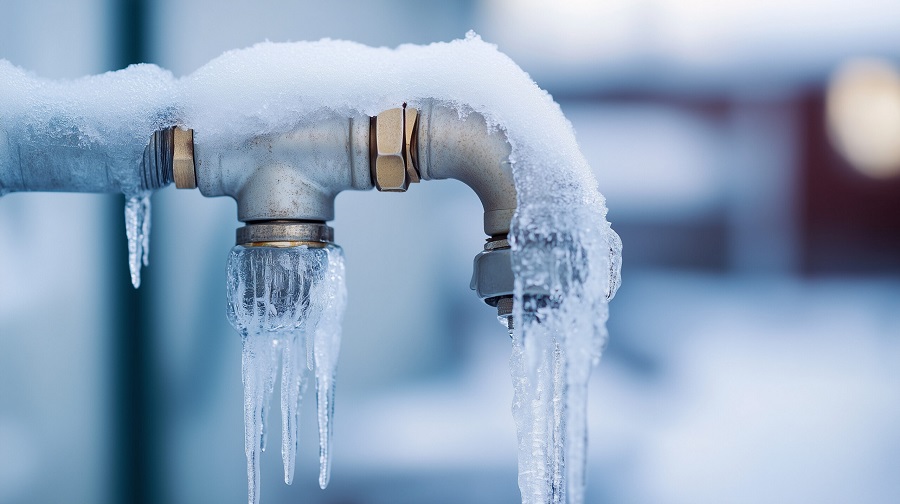
Freeze and Thaw Cycles Put Pipes Under Extreme Stress
During mid winter, temperatures often remain consistently cold. Pipes freeze, but they stay frozen. In late winter, conditions become unpredictable. Overnight freezes followed by daytime thawing create repeated expansion and contraction inside plumbing lines.
This cycle weakens pipe walls over time. Even if pipes do not burst immediately, microscopic cracks form inside copper, PEX, and older galvanized piping. These weakened areas often fail days or weeks later when pressure increases.
Homes in older Denver neighborhoods such as Baker and Congress Park are especially vulnerable because aging pipe materials are less tolerant of temperature fluctuations.
Why Many Pipes Burst After the Freeze Ends
One of the most misunderstood plumbing risks is delayed pipe failure. Pipes rarely burst at the coldest moment. They usually fail after thawing begins.
When frozen water expands, it creates pressure inside the pipe. Once temperatures rise, water flow resumes and forces pressure through already weakened sections. This is when sudden leaks or full pipe ruptures occur.
Homeowners often discover these failures in late February or early March when they believe the danger has passed. By the time water damage becomes visible, walls, ceilings, or flooring may already be affected.
This delayed damage is a major reason calls to an emergency plumber in Denver increase toward the end of winter.
Increased Water Heater Strain in Late Winter
Water heaters work hardest during winter months. In February and March, demand often remains high while systems are already under stress from months of heavy use.
Cold groundwater entering the home requires more energy to heat. Sediment inside the tank becomes compacted over time, reducing efficiency and placing extra strain on heating elements and burners.
Late winter water heater failures commonly include:
- No hot water due to element failure
- Pressure relief valve discharge
- Tank leaks caused by internal expansion
- Sudden temperature inconsistency
In Denver homes with older water heaters, especially in areas like Montclair and Park Hill, these issues often escalate into emergency situations if ignored.
Sewer Line Backups During Snowmelt
As snow begins to melt in late winter, Denver’s sewer systems face increased pressure. Ground saturation from melting snow and early spring moisture causes soil to shift, which places stress on underground sewer lines.
Older sewer systems are particularly susceptible to root intrusion and pipe misalignment. When thawing soil moves, existing cracks widen and blockages worsen.
Signs of late winter sewer issues include:
- Slow drains throughout the home
- Gurgling sounds from toilets or sinks
- Sewage odors in basements
- Water backing up into lower level fixtures
Sewer backups are not gradual problems. They escalate quickly and often require immediate attention from an emergency plumber in Denver to prevent contamination and property damage.
Sump Pump Failures Spike in February and March
Sump pumps are critical during late winter. As snow melts and groundwater levels rise, sump systems must handle higher volumes of water than at any other time of year.
Common late winter sump pump failures include:
- Frozen or blocked discharge lines
- Overworked motors that fail under constant load
- Power interruptions during storms
- Lack of backup systems
Homes in low lying areas near the South Platte River corridor or older neighborhoods with high water tables are especially at risk. When sump pumps fail, basement flooding can occur rapidly, often within hours.
Why Emergency Calls Increase After Warmups
Many homeowners assume that warmer days reduce plumbing risk. In Denver, sudden warmups are often the trigger for emergencies.
As frozen ground thaws, underground pipes shift. Ice inside pipes melts and releases pressure. Water usage increases as residents return to normal routines.
This combination exposes hidden weaknesses created earlier in the winter. The result is a surge in burst pipes, sewer backups, and water heater breakdowns just as homeowners feel relieved about the weather.
This pattern explains why late winter is one of the busiest times for emergency plumbing services across the Denver metro area.
The Importance of Local Expertise in Emergency Situations
Denver’s housing stock varies widely by neighborhood. From historic homes near City Park to newer developments in Central Park, plumbing systems differ in age, material, and layout.
A local plumbing provider understands these variations and how seasonal conditions impact them. Experience with Denver’s climate, soil conditions, and building standards is essential during emergency situations where fast, accurate diagnosis prevents further damage.
A Clear Choice Plumbing & Heating brings that local expertise to every emergency call, helping Denver homeowners respond effectively when plumbing systems fail unexpectedly.
Preventing Late Winter Plumbing Emergencies
While not all emergencies are preventable, homeowners can reduce risk by staying alert during late winter months.
Key preventive steps include:
- Checking exposed pipes for insulation damage
- Monitoring water pressure and temperature changes
- Addressing slow drains early
- Ensuring sump pump discharge lines are clear
- Scheduling inspections for aging water heaters
Early attention often prevents small issues from becoming full emergencies.
Understanding Seasonal Plumbing Vulnerabilities in Denver
Late winter is a deceptive season for plumbing systems. The combination of freeze and thaw cycles, increased water demand, and ground movement makes February and March especially dangerous for Denver homes.
Understanding why problems occur during this period helps homeowners act quickly and minimize damage. When warning signs appear, professional help should not be delayed.
When Professional Emergency Plumbing Help Is Needed
If your home is experiencing leaks, drainage issues, water heater problems, or flooding concerns during late winter, contact a plumber for fast, reliable support. Their experienced team provides professional emergency plumber services in Denver to protect your home when it matters most.