
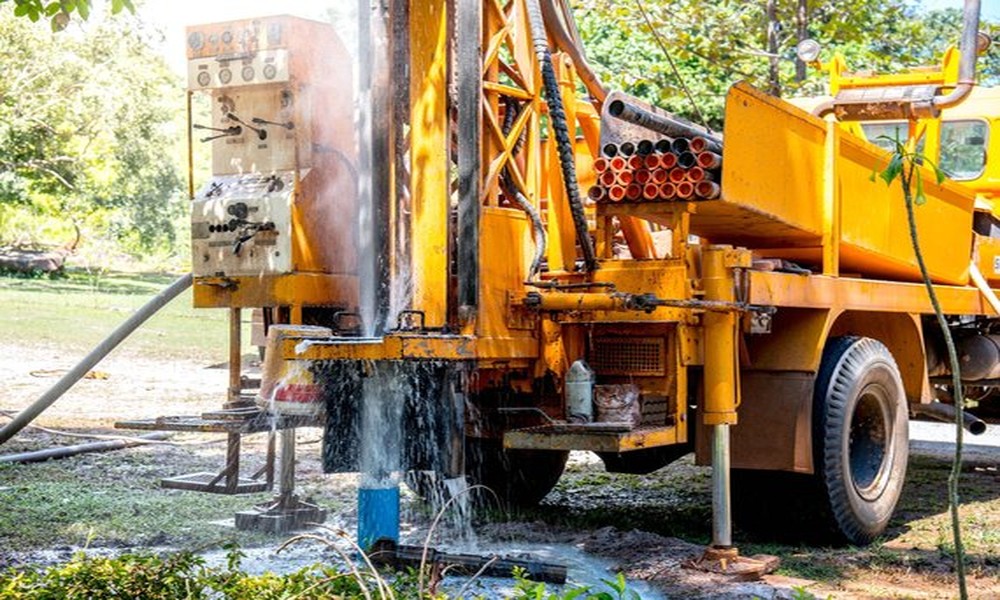
Choosing the right water system is one of the most important decisions for any homeowner or farm owner. A professionally installed well can provide long-term access to clean, reliable water while supporting daily household needs, irrigation systems, livestock care, and agricultural operations. However, the success of any private water supply depends heavily on selecting an experienced well drilling service with the right knowledge, equipment, and local expertise. Poorly installed wells can lead to water contamination, low pressure, expensive repairs, and ongoing maintenance issues.
As demand for dependable groundwater solutions continues to grow, property owners are increasingly looking for trusted well drilling professionals who understand local geology, water table conditions, and proper installation methods. Understanding what to look for in a contractor can help protect your investment and ensure a safe, efficient water supply for years to come.
Why Professional Well Drilling Matters
Drilling a water well involves far more than simply digging into the ground. The process requires technical knowledge, specialist equipment, and an understanding of local geology. Professionals assess soil conditions, groundwater depth, and water quality before recommending the best drilling approach for the property.
An improperly drilled well can create serious problems over time. Low water pressure, contamination risks, sediment build-up, and poor water flow are often linked to incorrect installation methods. In some cases, poorly constructed wells may even require complete replacement within a few years.
Professional drilling companies follow safety regulations and industry standards designed to protect both the water source and the surrounding environment. This reduces the risk of contamination while helping homeowners and farmers secure a more reliable water supply.
Understanding Your Water Needs
Before choosing a drilling contractor, it is important to understand how much water the property requires. Water demand varies greatly between residential homes and agricultural operations.
For example, a family home may only require water for daily household use such as drinking, cooking, bathing, and laundry. A farm, however, may need significantly higher volumes to support irrigation systems, livestock, equipment cleaning, and crop production.
A reputable contractor will evaluate:
- Expected daily water usage
- Property size and layout
- Soil and rock conditions
- Water table depth
- Future expansion plans
- Local water regulations
This assessment helps determine the ideal well depth, pump size, and system capacity needed for consistent performance.
Experience and Local Knowledge Matter
One of the most important factors when selecting a contractor is experience within the local area. Ground conditions differ from region to region, and companies familiar with local geology are often better prepared to handle drilling challenges.
Experienced contractors understand:
- Common rock formations
- Groundwater availability
- Seasonal water level changes
- Local permitting requirements
- Environmental restrictions
They are also more likely to recommend suitable equipment and drilling techniques based on proven local results.
When researching contractors, look for companies with a strong history of completed projects in nearby communities. Customer reviews, referrals, and testimonials can provide useful insight into reliability and workmanship.
Check Licensing and Insurance
Well drilling involves heavy machinery, underground excavation, and specialized technical work. For this reason, proper licensing and insurance are essential.
Always confirm that the contractor:
- Holds valid licences required by local authorities
- Carries liability insurance
- Has workers’ compensation coverage
- Follows local environmental and safety regulations
Licensed professionals are generally required to meet industry standards and complete work according to approved guidelines. Insurance also protects homeowners and property owners from unexpected liability in the event of accidents or property damage.
Ask About Water Testing and Quality
A reliable water source is not only about quantity but also quality. Groundwater can sometimes contain minerals, bacteria, or contaminants that affect safety and taste.
Professional contractors often perform water testing after drilling to evaluate:
- Mineral content
- Bacterial contamination
- Water hardness
- pH balance
- Sediment levels
Testing helps determine whether filtration or treatment systems may be needed. For farms, water quality is especially important because poor water can affect livestock health and irrigation performance.
Some drilling companies also provide ongoing maintenance and water treatment solutions, which can be useful for long-term system care.
Compare Equipment and Technology
Modern drilling technology has improved both efficiency and accuracy. Contractors using updated equipment may complete projects faster while causing less disruption to the surrounding property.
Advanced equipment can help with:
- More accurate drilling depth control
- Reduced environmental impact
- Faster project completion
- Improved safety
- Better long-term well performance
It is worth asking contractors about the machinery and drilling methods they use. Companies investing in modern equipment are often more committed to delivering reliable results and maintaining industry standards.
Understand the Full Cost
Well drilling costs can vary depending on depth, location, ground conditions, and system complexity. While price is naturally important, the cheapest option is not always the best long-term choice.
Low-cost drilling may involve:
- Inferior materials
- Limited testing
- Inexperienced labour
- Shorter warranties
- Incomplete installation work
A professional well drilling service should provide a clear and detailed estimate outlining all expected costs before work begins.
Ask for information about:
- Drilling fees
- Pump installation
- Water testing
- Permit costs
- Electrical work
- Maintenance services
- Warranty coverage
Transparent pricing helps prevent unexpected expenses later in the project.
Maintenance After Installation
A well system requires regular maintenance to remain efficient and safe. Choosing a contractor that offers ongoing support can save time and money in the future.
Routine maintenance may include:
- Pump inspections
- Pressure tank servicing
- Water testing
- Sediment removal
- System performance checks
Regular inspections help identify minor issues before they become major repairs. Many professionally maintained wells can continue operating effectively for several decades.
For farms, preventative maintenance is especially important because water disruptions can affect livestock care and crop production schedules.
Questions to Ask Before Hiring
Before signing a contract, it is helpful to ask a few important questions:
- How many years of local experience do you have?
- What drilling methods do you recommend?
- Are permits included in the estimate?
- Do you provide water testing?
- What warranties are available?
- Do you offer maintenance services?
- How long will the project take?
Clear communication early in the process often leads to smoother project completion and fewer misunderstandings.
Conclusion
Choosing the right well drilling contractor is an important decision for both homeowners and farmers. A properly installed well provides long-term access to clean, reliable water while helping avoid expensive future problems. From understanding local geology to following safety regulations and performing water quality testing, experienced professionals play a major role in the success of a well system.
Taking time to research contractors, compare services, and ask detailed questions can help property owners make informed decisions. While cost is an important consideration, reliability, experience, and quality workmanship often deliver far greater value over time. A dependable water system supports everyday living, agricultural productivity, and long-term property value, making professional well installation a worthwhile investment.