
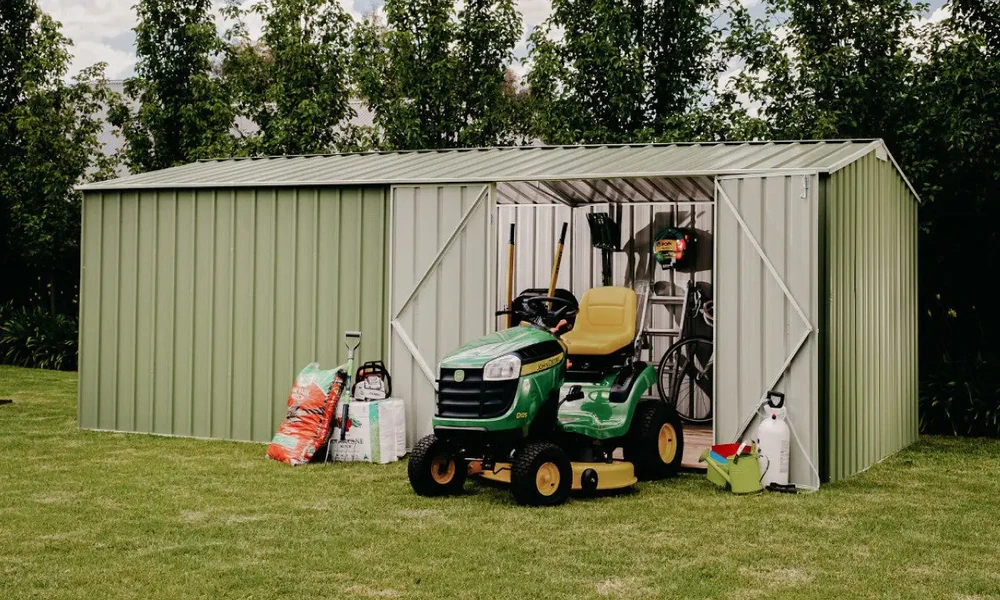
A shed offers everything a pest wants: shelter, quiet, clutter to nest in and, far too often, a sack of bird seed left open in the corner. Mice, rats, wasps, ants, squirrels and spiders all treat an unguarded shed as a free hotel. The defence works best as a calendar, because each season brings a different invader to the door.
Autumn: The Invasion Season
When night temperatures drop in September and October, rodents move indoors, and a shed is the easiest building on your property to break into. Walk around it now and hunt for gaps. A mouse squeezes through a hole the width of a pencil, about 6mm, and a rat through anything thumb-sized. Pack gaps with wire wool before sealing over them, since rodents gnaw through foam and mastic but hate chewing steel. Fit a brush strip to the bottom of the door, where the worn gap under the threshold lets most of them in. Then deal with the food. Bird seed, grass seed, pet food and bulbs belong in metal or thick plastic containers with sealed lids, never in their original bags. A rodent that finds nothing to eat usually moves on within days.
Winter: Deny Them The Nest
Anything already inside spends winter breeding, so the cold months are for clearing the habitat. Lift stored items onto shelves or pallets rather than leaving piles on the floor, because stacked compost bags, old dust sheets and cardboard boxes are 5-star nesting material. Swap cardboard storage for lidded plastic crates. Check the roof felt for tears, since squirrels rip through damaged felt with shocking speed and cause more destruction in a fortnight than mice manage in a year. Listen on quiet days. Scratching from the walls or roof means something already lives there, and droppings, shredded paper or a sharp ammonia smell confirms it.
Spring: The Wasp Window
Queen wasps wake in April hunting for a dry, sheltered spot to start a colony, and shed eaves and roof corners rank among their favourites. A nest caught in spring is the size of a golf ball and simple to deal with. The same nest found in August holds thousands of wasps and needs professional treatment. Check the eaves, the apex and behind anything hanging on the walls every few weeks through April and May. Spring also wakes the ants, so follow any trail back to its entry crack and seal it rather than spraying the workers, which achieves nothing the colony notices.
Summer: Cut Off The Approach Routes
Vegetation is the pest motorway. Trim back any branches, ivy or shrubs touching the shed, and keep a 30cm clear strip of gravel or bare ground around the base so rodents lose the covered approach they prefer. Move the compost heap, log pile and wheelie bins as far from the shed as the garden allows, because each one breeds or shelters the very pests you are trying to exclude. Sweep the floor occasionally throughout the summer. It takes minutes and tells you immediately, via droppings or gnaw marks, whether anything has moved in.
When The Calendar Fails
Prevention loses sometimes. Persistent scratching, droppings that reappear after cleaning, gnawed timber or a wasp nest bigger than your fist all justify calling in the best pest control company you can find locally, since an established rodent colony or mature nest rarely yields to shop-bought products. Everything else on this list costs under £30 and an hour per season. A shed defended on that schedule stays yours, and the wildlife keeps to the garden where it belongs.