
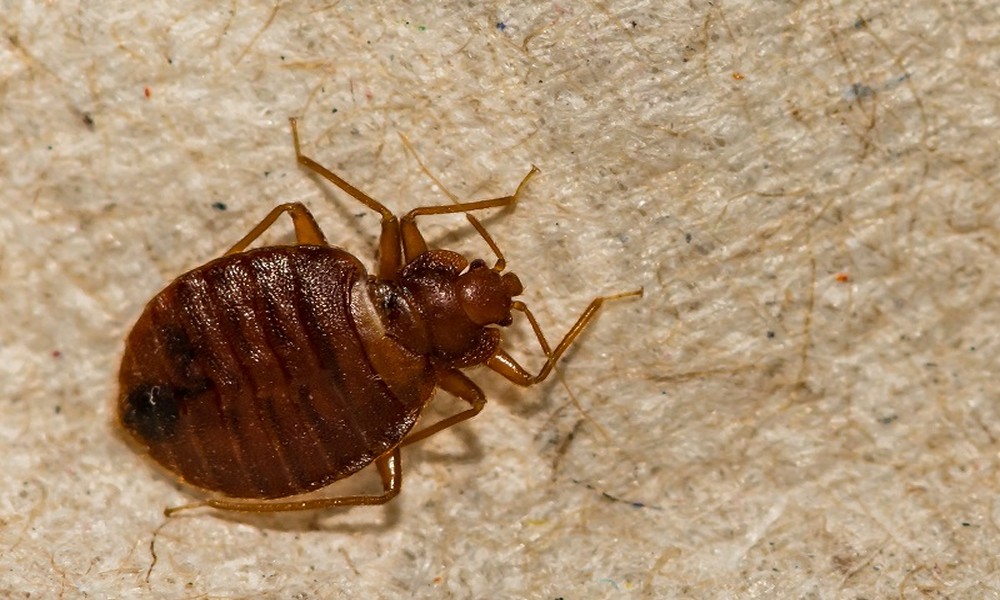
The first reaction to a bed bug is rarely calm. Most people respond with a combination of shame, panic, and a trip to the hardware store. They buy a fogger. They throw out a mattress. They wash everything in hot water and hope the problem is solved. Two weeks later, the bites come back, the spending has added up, and the infestation is still there. Kansas City pest control technicians see this sequence on a regular basis, and most of it traces back to a handful of myths that have stuck around long after the science moved on. Kansas City has been identified as one of the top fifty bed bug cities in the country, which makes the cost of believing the wrong things higher here than in most places.
Myth One: Bed Bugs Only Live in Dirty Homes
This one shows up first because it does the most damage. The shame attached to a bed bug infestation keeps people from talking about it, which keeps the bugs spreading. The reality is that bed bugs do not care about cleanliness. They care about access to a blood meal, which means access to people.
Bed bugs spread through hotels, rental properties, airplanes, ride shares, public transit, schools, offices, hospitals, libraries, used furniture, and luggage. A Kansas City family that has never had a dirty home in their lives can still come home from a business trip with bed bugs in a suitcase. The Centers for Disease Control and the Environmental Protection Agency both publish material confirming that cleanliness is not a relevant factor in whether a home develops an infestation. Reducing clutter helps treatment work better, since clutter creates more hiding places. The clutter is not the cause.
Myth Two: A Store-Bought Fogger Will Solve the Problem
The over-the-counter total release fogger is one of the most popular bed bug responses, and it is also one of the least effective. Foggers spread insecticide into the open air of a room. Bed bugs are not in the open air. They are wedged into seams of mattresses, behind headboards, under baseboards, inside electrical outlets, in the joints of bed frames, and behind picture frames. The fogger’s chemical never reaches them.
What foggers often do is worse than nothing. The chemical drives surviving bed bugs deeper into wall voids and into adjacent rooms or units, which scatters the infestation rather than eliminating it. A treatment that should have taken two or three professional visits becomes a much larger project after a few rounds of fogger use. The University of Kentucky Extension and the National Pest Management Association both publish guidance discouraging fogger use for bed bugs specifically because of this pattern.
Myth Three: Throwing Out the Mattress Ends the Infestation
The instinct is understandable. The mattress is where the bites are happening, and getting rid of it feels like getting rid of the problem. The math does not support the reaction. Bed bugs spread well beyond the mattress within the first weeks of an infestation. They hide in box springs, bed frames, nightstands, dressers, baseboards, electrical outlets, wall hangings, curtains, and the carpet edge along the wall.
Throwing out the mattress without treating the rest of the room leaves the population intact and forces the homeowner to buy a new mattress that will be reinfested within days. Discarded furniture also spreads bed bugs through the building if it is moved through hallways or down stairwells without being sealed first. A licensed Kansas City pest control company will sometimes recommend disposing of a heavily infested mattress as part of a treatment plan, but the disposal is one piece of a larger process, not the whole answer.
Myth Four: A Single Treatment Will Be Enough
Bed bugs have a life cycle that runs through five nymph stages, and the eggs are resistant to most chemical applications. A single treatment kills active adults and nymphs that come into contact with the product, but it does not necessarily reach the eggs that have not yet hatched. New nymphs emerge after the treatment and start the cycle over.
Effective bed bug elimination almost always involves multiple visits spaced to interrupt the life cycle. The protocol established by the National Pest Management Association includes follow-up inspections, repeat treatments where needed, and verification before the case is closed. Companies that advertise a one-and-done bed bug treatment are either overpromising or are using heat treatment, which is a different category of work with its own scope and cost considerations.
Myth Five: If You Don’t See Them, You Don’t Have Them
Bed bugs are excellent at staying out of sight. They are active mostly at night, hide during the day in narrow seams and cracks, and can survive several months without feeding. A homeowner who has been bitten and assumes the absence of visible bugs means the infestation has resolved is often wrong. The first treatment may have suppressed the population without eliminating it, and a few weeks later the activity rebounds.
A trained inspector looks for evidence beyond live bugs. Shed skins, which look like translucent shells in the size and shape of the bug at each life stage. Small dark fecal staining on mattress seams, behind headboards, and along baseboards. Tiny rust-colored spots on sheets from bugs being crushed during the night. Egg casings, which are pale and roughly the size of a poppy seed. These signs persist long after the visible bugs have retreated.
What Real Bed Bug Treatment Looks Like
A thorough Kansas City pest control approach to bed bugs starts with a detailed inspection by a technician trained in identification. ZipZap Termite & Pest Control is a certified bed bug-free company, which is a designation that requires adherence to the Best Management Standards for Bed Bugs established by the National Pest Management Association. The company has a board-certified entomologist on staff who builds treatment plans based on the specific conditions of the property, the size of the infestation, and the construction of the structure. Treatment combines targeted chemical application in known harborage areas, mechanical removal where appropriate, and follow-up monitoring to confirm elimination.
The work is not glamorous, and it is not fast. What it is, when done correctly, is effective.
A Better Use of Your Time and Money
The fastest way to end a bed bug problem is to stop spending money on the wrong solutions and bring in someone who has handled the species before. If bites have appeared, if a sighting has been confirmed, or if you are returning from travel and want to be sure, a professional inspection will tell you more in an hour than weeks of guesswork. Reach out to ZipZap Termite & Pest Control to schedule an evaluation and find out what is actually happening before another round of foggers, mattress purchases, and laundry loads adds up to a cost that would have covered the treatment three times over.