
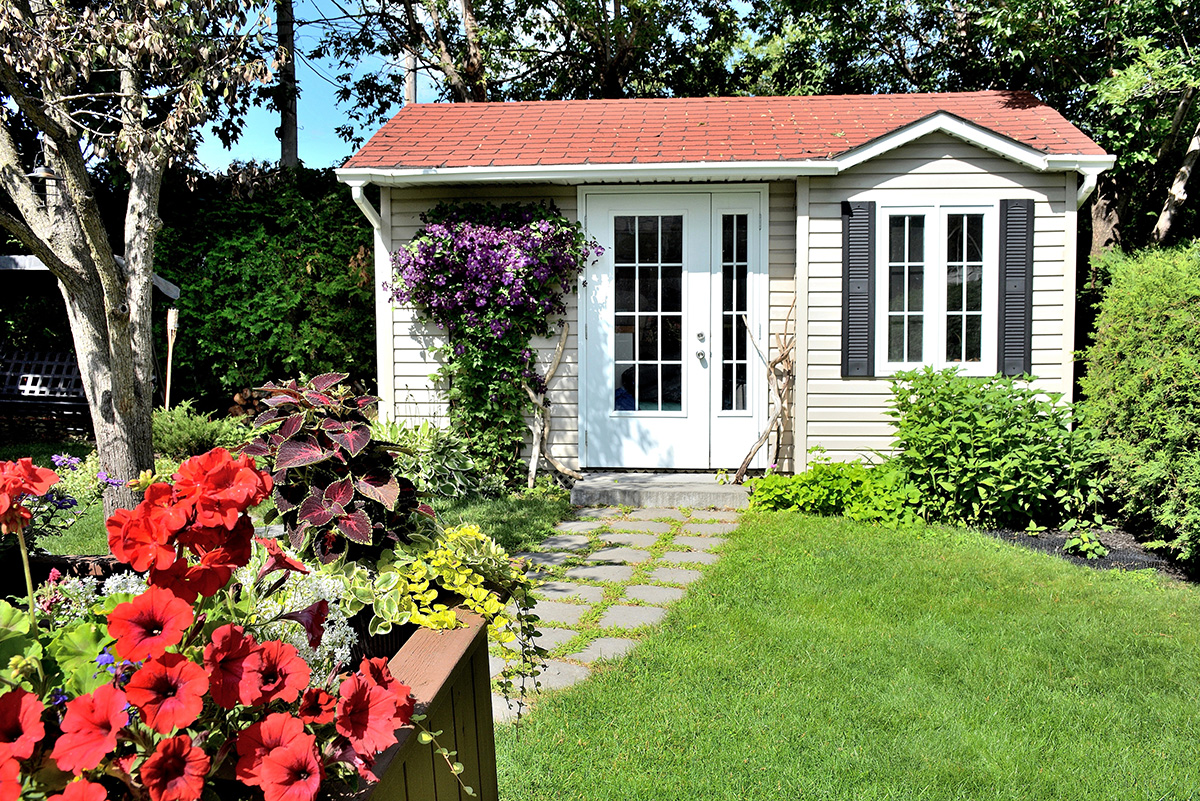
As California’s housing crisis worsens, a growing number of people are looking for ways to build accessory dwelling units (ADUs) on their property. After all, an ADU can provide much-needed supplementary income or lodging for aging parents or adult children. But what happens if your homeowners’ association (HOA) finds out about your plans? Can they stop you from building an ADU?
California Homeowners Associations
This question does not have a straightforward yes or no response. Although HOAs can limit the type of development authorized in their neighborhood, they are subject to state and local laws. A number of laws in California protect homeowners’ rights to build ADUs.
For example, Assembly Bill 2215 of 2016 prohibits HOAs from putting unjustified limitations on homeowners’ rights to build ADUs on their property. Furthermore, in 2017, Senate Law 13, also known as the Accessory Dwelling Unit law, was approved, making it simpler for homeowners to get the necessary permits to build an ADU. Finally, Assembly Bill 2406, which was passed in 2018, requires HOAs to allow the development of ADUs up to 1200 square feet in size.
ADUs Are Becoming More Popular
ADUs are small residences that share the same property as a principal residence. These apartments are becoming increasingly popular in California, where rising housing costs and a lack of land have created a need for more affordable housing choices. One of the key benefits of ADUs is that they may be used as long-term rentals, allowing homeowners to offset their mortgage expenses.
ADUs sometimes do not require new construction or considerable alterations since they are generally located at the back of houses or on smaller lots with no existing dwellings. As a result, in high-priced real estate areas, they might be a practical and cost-effective choice for homeowners. Whether you want to increase your rental income or make your property more competitive in today’s tough housing market, an ADU might be the answer. However, you must first understand the building process.
The Building Procedure
ADU building can be a difficult and time-consuming process. To begin, you must investigate a number of critical factors, such as local regulations, zoning constraints, and the services offered by your chosen builder. When you work with an experienced ADU builder, such as Acton ADU, you have the option to work directly with their staff to ensure that your ADU is both practical and visually beautiful. Their design pros will work with you to create a one-of-a-kind building plan that compliments your present home.
They can ensure the durability of your new ADU due to their knowledge and passion for exceptional craftsmanship. Acton ADU can assist you in realizing your vision for a beautiful and functional ADU, whether you want a simple and minimalist design or an exciting addition to your home’s living area. For more information on their methods, go to www.actonadu.com.
What Limitations Can a California HOA impose on ADU Construction?
A homeowner’s association (HOA) in California may put a range of restrictions on the construction of an ADU. They may, for example, impose minimum and maximum lot size limitations or prohibit the use of specific building materials. Furthermore, HOAs may place limitations on the activities and behaviors that are permitted on the property, such as noise levels or the presence of pets.
Homeowners, on the other hand, have a number of options for getting around these restrictions. They can, for example, negotiate with their HOA to secure approval for the proposed ADU building. They may also desire to speak with an attorney who specializes in HOA law to fight any property limits. California homeowners who are proactive and make the necessary steps to communicate with their HOA may eventually overcome any challenges that may arise when establishing an ADU.
How to Find Out Whether Your HOA Will Allow You to Build an ADU on Your Property
The first step in determining if you may build an ADU on your property is to check with your housing association. Before you start drawing up designs:
- Be sure that the HOA regulations in your selected location allow for the construction of an ADU.
- Check your HOA’s website or meet with a representative in person to learn more about the limitations imposed by your HOA.
- Consult an ADU-educated real estate agent, as they may be able to give insight into local zoning regulations as well as a list of contractors with experience building secondary structures such as ADUs.
Finally, research and planning for an ADU may help ensure that you have the flexibility and resources needed to construct a space that meets your needs while also complementing the surroundings of your property. As a result, if you are serious about evaluating if an ADU is a viable option, you should get started as soon as feasible.
Collaboration With Your HOA to Obtain ADU Approval
When planning to build an ADU in Redwood City, CA, it is critical to collaborate closely with your HOA to obtain the necessary approvals. Here are some pointers to help you navigate this operation effectively and efficiently:
- Communicate openly and honestly with your HOA. The more upfront and clear you are about your goals, the easier it will be for people to understand what you’re striving to accomplish. This increases the possibility of their expressing their approval and support.
- Conduct a thorough investigation of all applicable planning and zoning regulations. Your HOA will most likely have requirements or restrictions that must be met in order for your project to be approved; consequently, it is critical that you be familiar with these rules before beginning the process. You should also consult with a professional architect or builder who can give expert assistance in designing an ADU that meets all criteria.
- Check to see if your initial assumptions are acceptable. Before receiving HOA approval, it is critical to stay committed to a certain design or concept, as this may impair your ability to work closely and successfully with them during the application process. If you have an open mind, you will be far more likely to find common ground and develop a strong relationship with your organization in the future.
Last Thoughts
If you follow all of the legal procedures, your HOA is unlikely to be able to block you from building an ADU, even if they are not thrilled with the concept. A number of laws in California protect homeowners’ rights to build ADUs. As long as you follow these rules, you should be able to carry out your plans without intervention from your HOA.